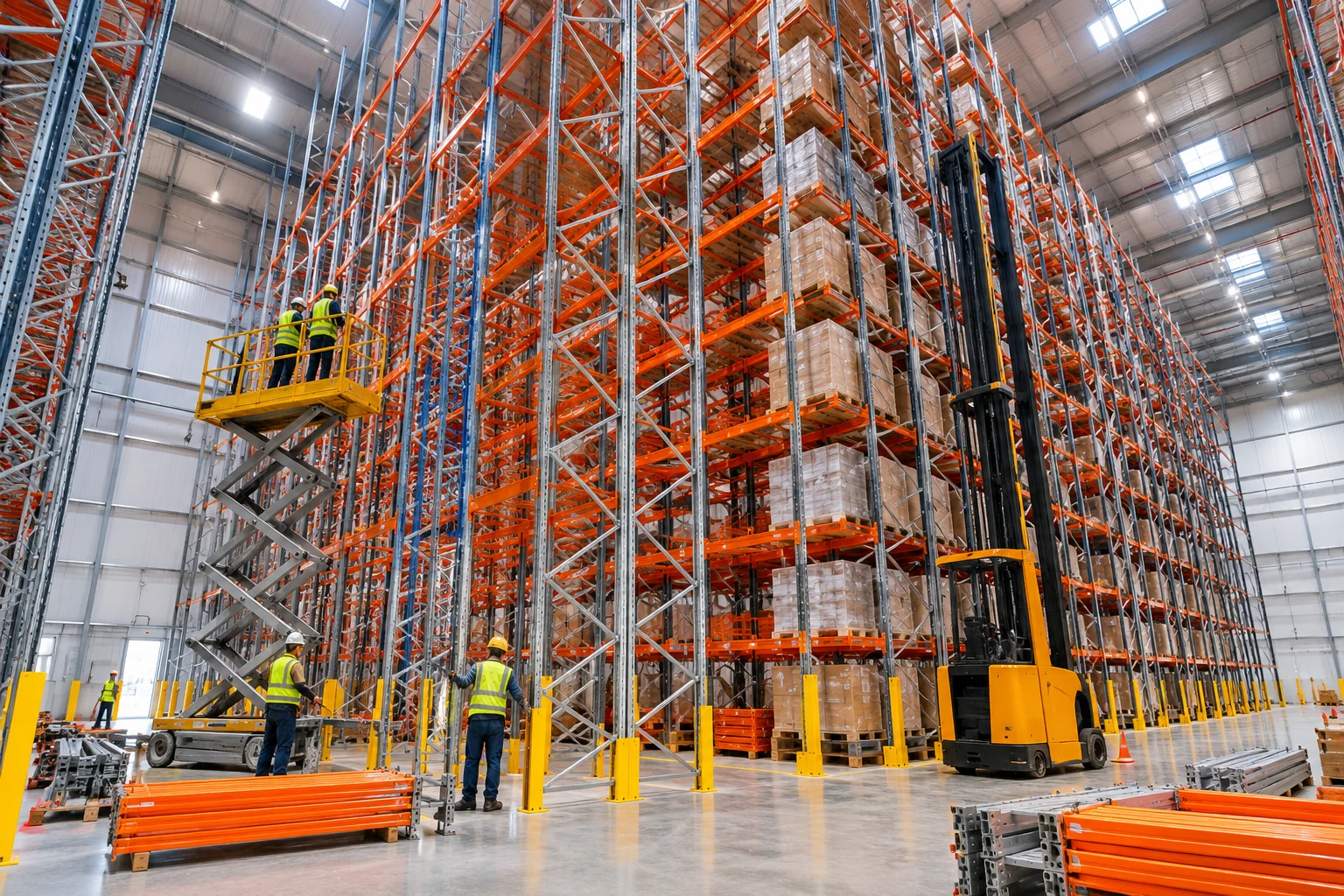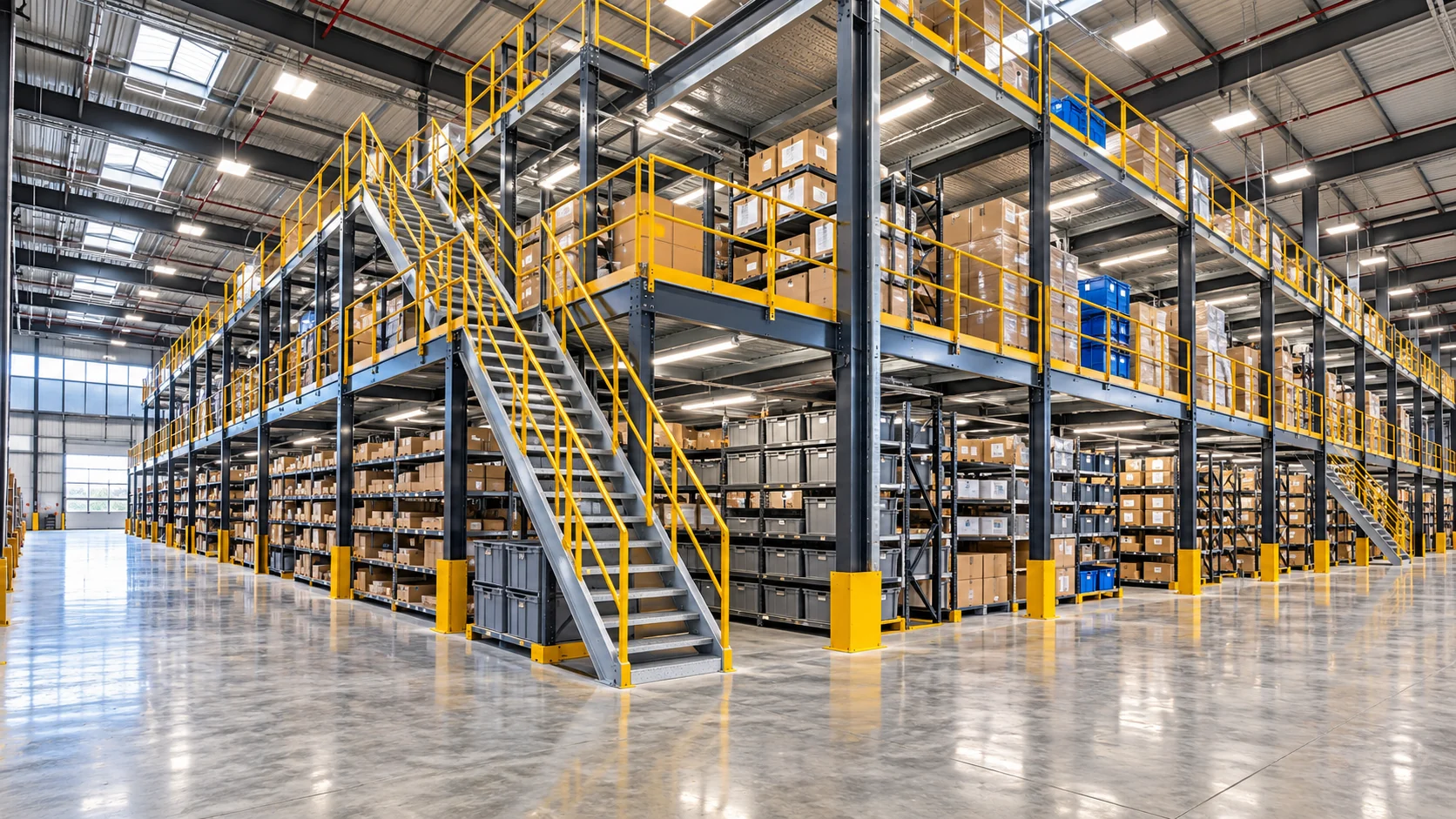
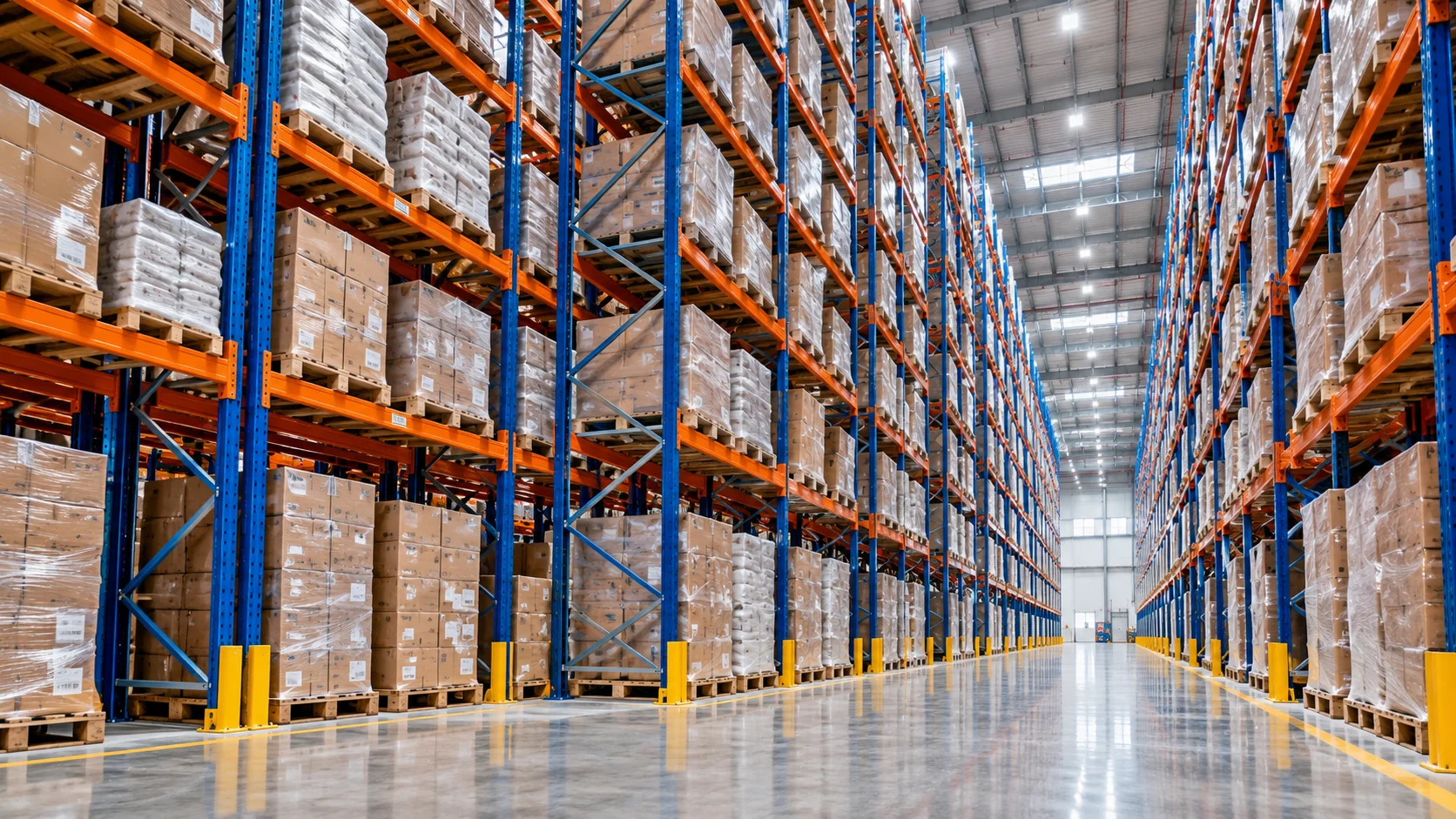
Warehouse space is one of the most valuable resources in modern logistics and industrial operations. As inventory volumes increase, businesses often face the challenge of creating additional storage capacity without expanding their existing facilities. A professional High-Rise Racking Installation Company can help businesses overcome this challenge by transforming unused vertical warehouse space into efficient and organized storage capacity.
High-rise racking systems are designed to utilize warehouse height effectively while providing structured storage for palletized goods. With proper planning, accurate installation, and suitable material-handling equipment, these systems can significantly improve storage capacity and warehouse efficiency.
What Is High-Rise Racking?
High-rise racking is a warehouse storage system that uses tall rack structures to maximize vertical storage space. Instead of relying primarily on floor-level storage, pallets are stored across multiple levels extending toward the available warehouse height.
These systems typically consist of upright frames, horizontal beams, bracing, anchors, pallet supports, and various safety components.
A qualified High-Rise Racking Installation Company ensures that these components are assembled, positioned, aligned, and anchored according to the approved system design and project requirements.
High-rise racking can be used in conventional forklift-operated warehouses as well as facilities incorporating specialized material-handling or automated storage equipment.
Why Maximize Vertical Warehouse Space?
Many warehouses have significant unused space between conventional storage racks and the building roof. When floor space becomes limited, businesses may initially consider expanding their warehouse or moving to a larger facility.
However, utilizing existing vertical space may provide a more practical solution.
High-rise warehouse racking allows businesses to increase pallet positions within the same building footprint. This can help accommodate inventory growth while maintaining a more organized storage environment.
Working with an experienced High-Rise Racking Installation Company helps ensure that the available warehouse height is used according to the planned storage layout.
Key Benefits of High-Rise Racking Systems
High-rise racking can provide several benefits when it is properly designed for the warehouse and correctly installed.
1. Increased Storage Capacity
The primary advantage is the ability to create additional pallet positions vertically.
Instead of requiring more warehouse floor area, businesses can utilize available building height to accommodate growing inventory requirements.
2. Better Warehouse Space Utilization
Every square meter of warehouse space has operational and financial value. High-rise racking allows facilities to use both horizontal and vertical dimensions more efficiently.
This makes it particularly useful for warehouses where floor space is limited.
3. Improved Inventory Organization
A structured racking layout creates designated storage locations for pallets and products.
Inventory can be organized according to SKU, product category, movement frequency, batch, or other operational requirements. This can make stock management and warehouse navigation more systematic.
4. Supports Warehouse Expansion
Business growth often creates additional storage requirements.
Installing high-rise racking can allow a company to increase storage capacity within an existing facility before considering costly building expansion or relocation.
5. Efficient Material Handling
A well-planned high-rise storage system can be coordinated with suitable forklifts, reach trucks, very narrow aisle equipment, or automated systems.
The objective is to combine increased storage density with practical pallet access and efficient warehouse movement.
High-Rise Racking Installation Process
Professional installation is essential because taller rack structures require accurate assembly and alignment. A reliable High-Rise Racking Installation Company should follow a structured process from initial site preparation to final inspection.
Warehouse Assessment
Before installation begins, the warehouse environment should be carefully assessed.
Important factors include available clear height, floor condition, slab specifications, pallet dimensions, expected loads, aisle widths, columns, doors, operational areas, and material-handling equipment.
These details help the project team understand the installation requirements and identify potential site constraints.
Layout Verification
The approved warehouse layout should be reviewed before positioning the racking system.
Rack rows, aisles, access points, loading areas, building columns, and other infrastructure need to correspond with the approved project drawings.
Accurate layout marking reduces the risk of positioning errors during installation.
Upright Frame Installation
Upright frames create the main vertical structure of the system.
Because high-rise racks can extend significantly above conventional storage systems, vertical alignment becomes particularly important. Frames need to be assembled and positioned carefully before the remaining components are installed.
Beam and Bracing Installation
Beams, bracing, supports, and other structural components are installed according to the specified rack configuration.
Connections should be checked progressively during installation to ensure the system corresponds with the approved design.
Anchoring and Alignment
Anchoring is a critical part of warehouse racking installation.
The rack structure must be properly positioned and secured according to project specifications. Alignment, spacing, verticality, and connection integrity should also be verified throughout the installation process.
Final Inspection and Handover
Once installation is complete, the racking system should undergo appropriate inspection before being placed into normal operation.
This stage helps confirm that the installation corresponds with the approved configuration and that required components have been correctly installed.
Why Professional High-Rise Racking Installation Matters
High-rise systems require more than simply assembling steel frames and beams.
As rack height increases, installation accuracy becomes increasingly important. Poor alignment, incorrect positioning, unsuitable anchoring, or installation errors may affect the performance and reliability of the storage system.
An experienced High-Rise Racking Installation Company should understand installation drawings, structural components, site conditions, equipment requirements, and appropriate installation procedures.
Professional installation also improves coordination between the racking supplier, warehouse operator, project consultant, safety team, and other contractors working at the facility.
Where Is High-Rise Racking Used?
High-rise racking can be suitable for a wide range of warehouse and industrial environments, including:
- Logistics and distribution centers
- Manufacturing warehouses
- FMCG storage facilities
- Retail distribution centers
- E-commerce warehouses
- Food and beverage storage
- Automotive parts warehouses
- Industrial storage facilities
- Third-party logistics operations
- Large-scale pallet storage facilities
The appropriate racking configuration depends on inventory characteristics, pallet dimensions, load requirements, warehouse height, handling equipment, and operational workflow.
Choosing the Right High-Rise Racking Installation Company
Selecting an installation contractor should not be based only on price.
Businesses should consider the contractor’s experience with warehouse racking projects, installation methodology, pro
Contact Space Installation to discuss your high-rise racking requirements.